Why you should choose open source software
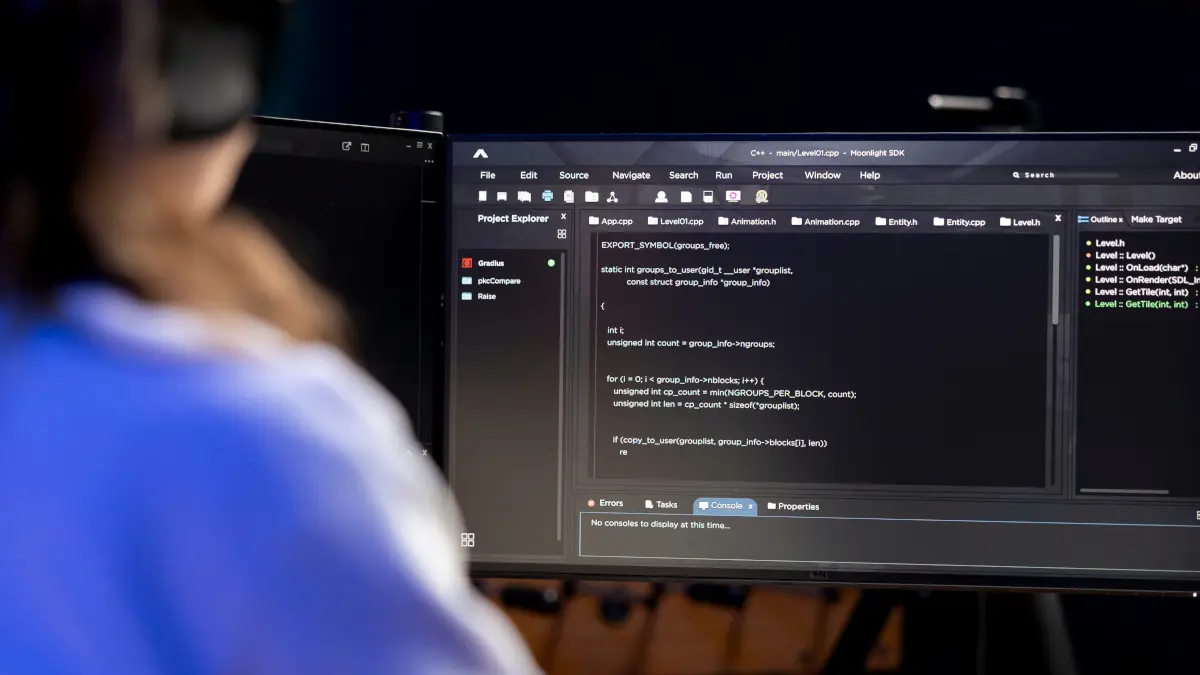
In an era where our digital lives are increasingly mediated by proprietary "black boxes," Open Source Software (OSS) stands as a beacon of transparency, security, and freedom. But why should you, as a regular user or a professional, care if a piece of software is open source?
It's not just about saving money (though that's a nice perk). It's about trust and ownership.
1. Transparency and trust
When you install proprietary software, you are essentially trusting the developer blind. You cannot see what the code is doing. Is it uploading your files? Is it tracking your keystrokes? Is it mining crypto in the background?
With Open Source, the code is public. Anyone with the skills can audit it. Even if you don't read code yourself, the fact that someone can creates a level of accountability that proprietary software simply cannot match.
2. Security through "many eyes"
There is a misconception that hiding code makes it safer (Security by Obscurity). In reality, open source software is often more secure because it is scrutinized by a global community of developers. Vulnerabilities are found and patched faster because there are no corporate barriers to reporting or fixing them.
3. No vendor lock-in
Have you ever relied on a tool that was suddenly discontinued, or had its price tripled overnight? With proprietary software, you are at the mercy of the vendor.
Open source software cannot be "killed" in the same way. If the original maintainer stops working on it, the community can fork the project and keep it alive. You truly own the tool you use.
4. Privacy by design
Most open-source projects are built by communities passionate about privacy, not corporations hungry for user data to sell to advertisers. Tools like Firefox, VLC, or Linux respect your privacy by default, simply because their business model doesn't depend on violating it.
5. Innovation and customization
Open source fosters innovation. Developers can build upon existing tools instead of reinventing the wheel. For users, this often means a rich ecosystem of plugins, themes, and extensions that arguably make the software better than its paid counterparts.
Conclusion
Choosing open source is a vote for a more open, transparent, and user-centric internet. Next time you are looking for a tool, check if there is an open-source alternative. You might be surprised to find it's not just free: it's better.