Technofeudalism: when digital life becomes permanent rent
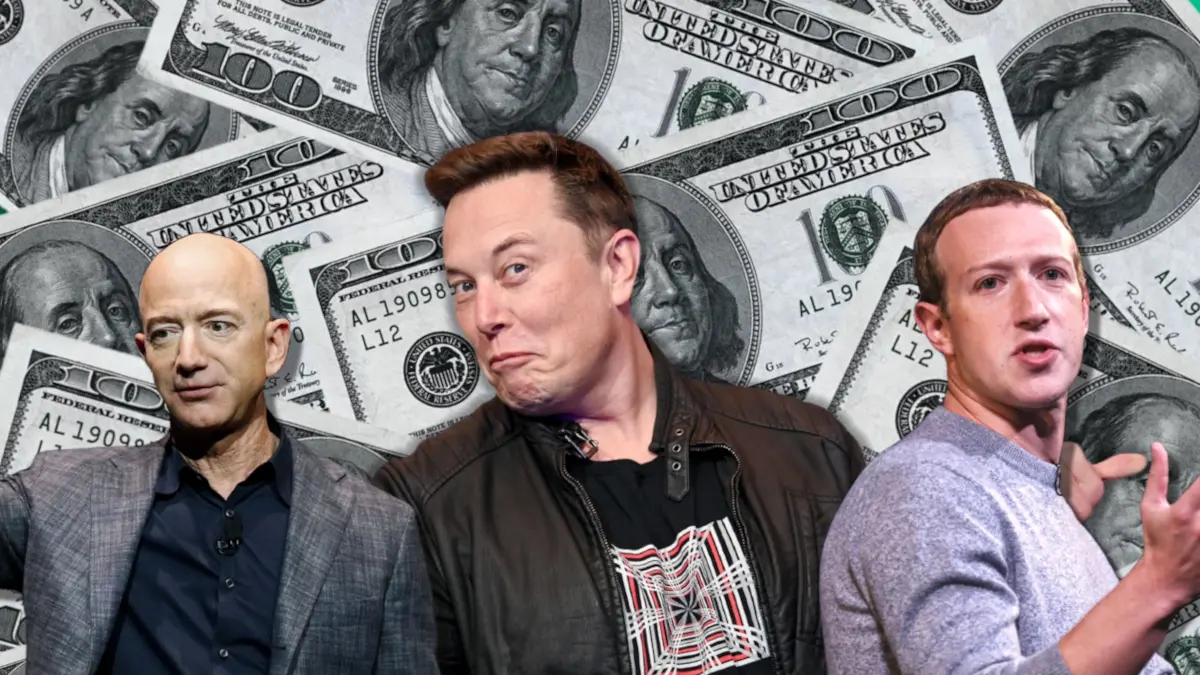
The internet was once sold as a force for liberation. Publish your own work, build your own business, reach anyone, and keep more control over your life. But over time, that promise has been replaced by a different reality: a handful of platforms now mediate how we work, communicate, create, and even think about value.
This is where the idea of technofeudalism becomes useful.
What is technofeudalism?
Technofeudalism describes a system where digital platforms behave less like normal market competitors and more like private territories. Instead of simply selling products, they control the space where economic and social life happens.
You do not fully own your audience on a social network. You do not fully control your storefront on a marketplace. You do not fully possess your tools when they depend on subscriptions, cloud activation, or remote permissions. You are allowed to operate, but only under rules set by platform lords who can change prices, visibility, and access at any moment.
That is what makes the comparison to feudalism compelling: people may appear independent, but in practice they are dependent on land they do not own.
From customers to digital tenants
In a healthy market, buying software should give you a durable tool. In the subscription era, that relationship changes. You are no longer just a customer purchasing utility. You become a tenant paying continuously for permission.
This shift shows up everywhere:
- Creative software that stops working if you stop paying.
- Productivity apps that lock your files behind proprietary ecosystems.
- Cloud platforms that can suspend accounts without meaningful recourse.
- App stores and marketplaces that decide who gets discovered and who disappears.
The result is not just higher recurring cost. It is a structural loss of autonomy.
Why this matters beyond price
Many people treat subscriptions as a budgeting annoyance. But the deeper issue is power.
When your workflow depends on a platform you do not control, that platform gains leverage over your time, your data, your habits, and your future options. It can push you toward upgrades, restrict interoperability, collect behavioral data, or degrade the free tier until exit feels painful.
Technofeudalism is not only about paying more. It is about living inside systems where leaving becomes progressively harder.
The role of convenience
Of course, people do not choose these systems for no reason. Centralized platforms are convenient. They reduce setup friction, bundle services, and create polished experiences that feel effortless.
That convenience is real. But convenience often becomes dependency when:
- your data export is incomplete,
- your audience exists only on rented platforms,
- your files rely on vendor-specific formats,
- or your tools require online authorization to remain usable.
The smoother the cage, the easier it is to forget that it is a cage.
Software ownership as resistance
This is why software ownership still matters.
Owning software does not mean rejecting every online service or pretending the cloud has no value. It means preserving bargaining power. A one-time purchase app, an open-source tool, a self-hosted service, or a workflow based on open formats gives you something that subscription platforms try to remove: the ability to continue without asking for permission every month.
Ownership creates room to breathe. It lets users choose tools based on long-term utility instead of platform dependency.
Practical ways to push back
You do not need to rebuild your entire digital life in a weekend. Start with the points where dependence is most expensive.
- Replace subscription software with one-time purchase or open-source alternatives when possible.
- Prefer tools that store data in open formats like Markdown, CSV, or plain files.
- Build on assets you control: your own domain, your own newsletter, your own backups.
- Be cautious with ecosystems designed to make switching difficult.
- Treat every recurring payment as a power relationship, not just a convenience fee.
Conclusion
Technofeudalism is not just a theory about Big Tech. It is a useful lens for understanding why so many digital products feel less like tools and more like toll booths.
At NoSubscription.org, the goal is simple: help people move from permanent rent toward real control. The more of your software, files, and infrastructure you actually own, the less vulnerable you are to arbitrary rules, endless price hikes, and platform dependency.
Digital freedom begins with refusing to rent everything forever.