Hardware as a Service: the hidden dangers of subscription hardware
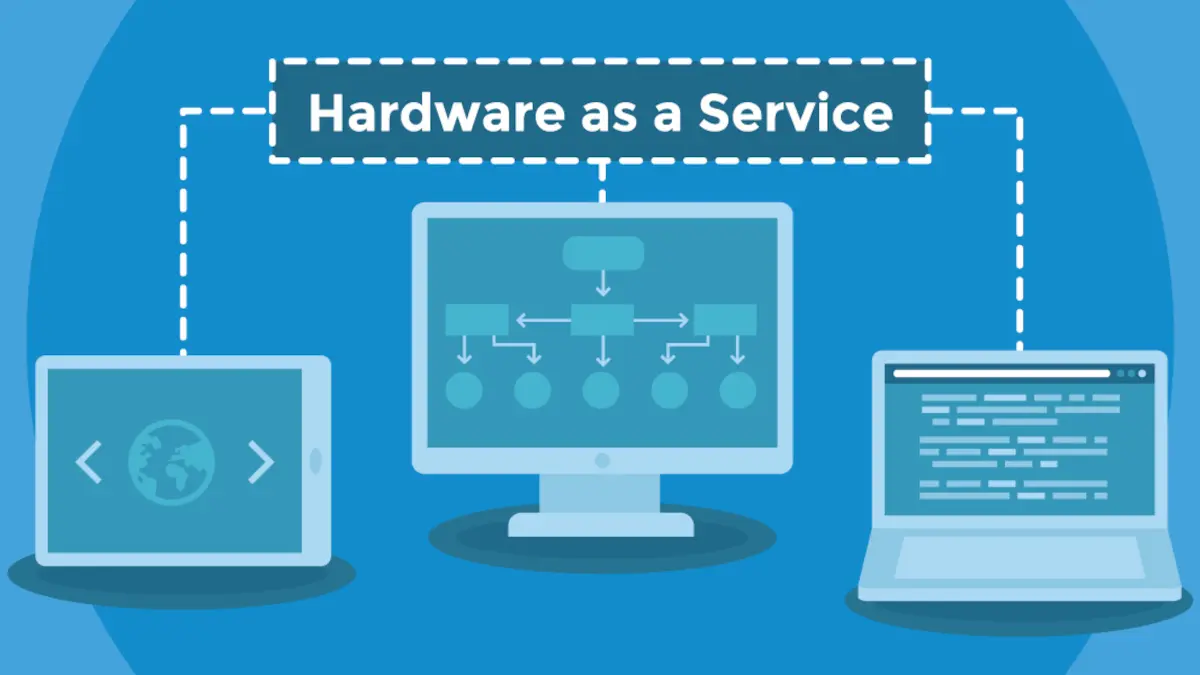
For decades, buying hardware was straightforward: you paid for a device, took it home, and used it until you decided to replace it. The manufacturer could end support, but it could not normally reach into your home and take away the product you had already purchased.
Hardware as a Service (HaaS) changes that relationship. Instead of owning a computer, phone, printer, router, appliance, or vehicle feature, you pay a recurring fee for continued access. Maintenance and upgrades may be included, but the provider retains much of the control.
For businesses with large fleets of equipment, this model can sometimes make sense. For ordinary consumers, however, subscription hardware risks turning ownership into a temporary permission that can be revoked.
What is Hardware as a Service?
Hardware as a Service applies the subscription model to physical products. A provider supplies the equipment and charges monthly or annually for its use. Depending on the agreement, the customer may receive repairs, replacements, software, cloud features, or periodic upgrades.
That can sound attractive. There is a lower upfront cost, fewer maintenance worries, and an easy path to newer equipment. But those benefits come with a fundamental trade: you may possess the device without truly controlling it.
The danger becomes greater when hardware depends on a vendor account, permanent internet access, proprietary consumables, or remote activation to perform its basic functions.
1. You can pay for years and still own nothing
A low monthly payment makes expensive hardware appear affordable. Yet after three or five years, the total amount paid may exceed the retail price of the device, and the provider may still require you to return it.
Unlike financing, where payments eventually lead to ownership, many HaaS agreements create permanent rent. The fee does not build equity. It only keeps the device active for another billing period.
This makes the monthly price a poor measure of cost. The important questions are:
- What is the total cost over the expected life of the product?
- Do you own the hardware after a fixed number of payments?
- What happens to the device when the subscription ends?
- Are repairs, damage, upgrades, and cancellation charged separately?
If the answer is buried in legal language, the attractive headline price may be hiding a much more expensive deal.
2. Essential features can be remotely disabled
Connected hardware gives manufacturers a level of control that sellers of traditional products never had. If a payment fails, an account is suspended, or a server shuts down, the company may be able to restrict or disable the device remotely.
That is inconvenient when the product is an entertainment gadget. It is far more serious when it is a security camera, a smart lock, a medical device, a work computer, or a car feature.
Remote control also creates room for mistakes. An automated fraud system can flag the wrong account. A billing error can become a hardware failure. A policy dispute can leave a perfectly functional product unusable even though nothing is physically wrong with it.
When a product requires continuous authorization, the vendor, not the person holding the device, has the final say over whether it works.
3. Price increases become hard to escape
Subscription companies can raise prices, remove features from existing plans, or introduce new usage limits. With software, switching may already be difficult. With hardware, leaving can mean replacing an entire physical ecosystem.
A subscriber may have invested in accessories, installation, training, data, or compatible devices. Once those switching costs are high enough, a small monthly increase feels easier to accept than starting again.
This is classic vendor lock-in, reinforced by physical infrastructure. The provider gains pricing power because your home or business has been built around its product.
4. Repair and modification rights become weaker
If you do not own the device, you may not have the right to open, repair, upgrade, or modify it. Even simple maintenance could violate the service agreement. The provider may require authorized parts and technicians, regardless of cost or availability.
This weakens the right to repair and makes customers dependent on a single supply chain. A failed battery, storage drive, or inexpensive sensor can trigger a complete replacement instead of a simple repair.
The result is less autonomy for users and more electronic waste. Hardware that could remain useful for years may be discarded because the subscription cycle favors replacement over longevity.
5. Your hardware can become a data-collection terminal
HaaS providers need to monitor devices for billing, maintenance, security, and usage limits. That monitoring can also create a detailed record of how, when, and where the product is used.
Depending on the device, this may reveal:
- location and travel patterns,
- working hours and productivity data,
- printing or scanning activity,
- energy use and household routines,
- voice commands, camera footage, or biometric information.
Customers should not assume that paying a subscription means they are not also paying with data. Privacy policies can change, companies can be acquired, and information collected for maintenance can later be used for advertising, profiling, or automated decisions.
6. The product may die when the company does
Physical equipment can last for decades. Startups, cloud platforms, and subscription services often do not.
If a HaaS provider goes bankrupt, is acquired, or discontinues a product line, functioning devices may lose the servers, apps, certificates, or replacement parts they need. Customers can be left with expensive electronic bricks.
This is one of the clearest differences between owned and service-dependent hardware. An offline device can continue working after its manufacturer disappears. A cloud-authorized device may have an expiration date that nobody disclosed at checkout.
When HaaS can make sense
Hardware subscriptions are not automatically harmful. They can be useful when the ongoing service is real and the contract distributes risk fairly. A company may prefer predictable fleet costs, guaranteed replacements, professional support, and secure disposal. A short-term project may benefit from renting specialized equipment instead of buying it.
The model is more defensible when:
- the recurring fee covers meaningful maintenance or infrastructure,
- pricing and cancellation terms are transparent,
- the device retains basic offline functionality,
- customers can export their data,
- repair responsibilities are clearly defined,
- and there is a reasonable purchase or buyout option.
The problem is not paying for a genuine ongoing service. The problem is using a service contract to remove ownership from products that could otherwise be bought, repaired, and used independently.
How to protect yourself
Before subscribing to hardware, look beyond the monthly payment.
- Calculate the full cost. Compare several years of fees with the price of buying an equivalent product.
- Read the exit terms. Check cancellation penalties, return requirements, damage fees, and whether a buyout is available.
- Ask what works offline. A device should not lose its basic purpose because a server or internet connection is unavailable.
- Check repair rights. Find out who can repair the product and whether replacement parts are available.
- Review data collection. Understand what the provider monitors, how long it keeps the data, and whether it shares that information.
- Plan for the provider's failure. Ask whether the hardware can be unlocked or used independently if the service closes.
- Prefer ownership when possible. Buying refurbished, choosing open standards, or financing a purchase can preserve control without requiring the full cost upfront.
Conclusion
Hardware as a Service sells convenience, but convenience should not require surrendering control over the physical products in our lives.
When every device becomes a subscription, missing a payment can mean losing access not only to an app, but to a tool sitting in your own home. Prices can rise, features can disappear, repairs can be restricted, and remote servers can decide whether functional hardware is allowed to function.
The future of technology should give people more control over their possessions, not turn every object into a permanent rental. Pay for ongoing services when they provide ongoing value, but whenever possible, choose hardware you can truly own, repair, and keep using on your own terms.